
Smartphones have become our everyday cameras. Whether it’s food photos, travel shots, or quick selfies, people expect their phone to capture moments beautifully without much effort. In recent years, phone makers have been pushing “AI camera” features as the next big thing. But here’s the real question: is this genuine innovation that improves photography, or just a marketing trick to sell more phones?
Let’s break it down.
What Exactly Is an AI Camera?
When brands talk about “AI cameras,” they usually mean software features that use artificial intelligence to recognize scenes, enhance details, and adjust settings automatically. Instead of you choosing modes like “portrait” or “night,” the camera figures it out for you.
For example:
- Scene detection: AI can identify if you’re shooting food, a landscape, or a pet, and tweak colors accordingly.
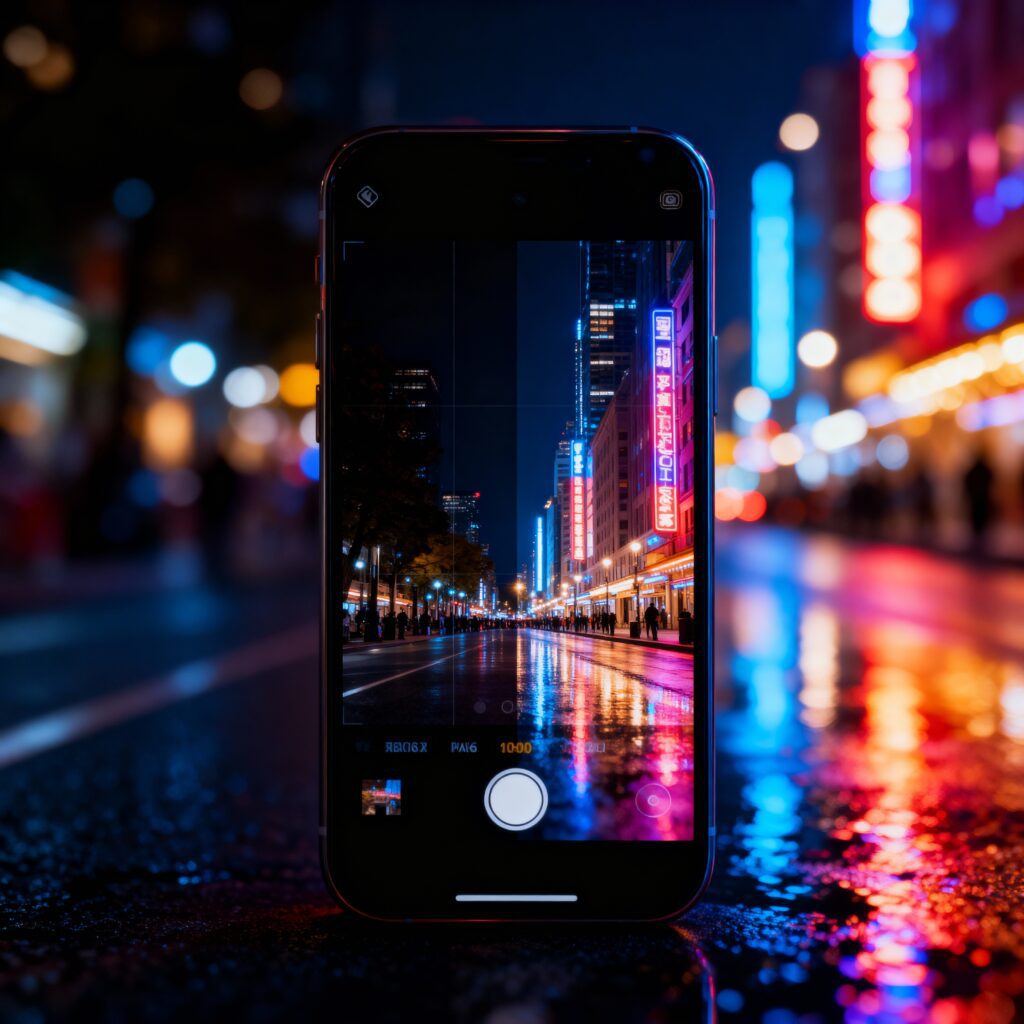
- Night mode: Phones like the Google Pixel or iPhone use AI to brighten low-light shots without a flash.
- Portrait effects: AI separates the subject from the background to create a DSLR-like bokeh effect.
In short, it’s about letting the phone do the thinking so you can focus on clicking the shot.

Real Benefits of AI in Phone Cameras
1. Better Low-Light Photos
AI-based multi-frame processing takes several quick shots and merges them into one brighter, sharper image. This is why a Pixel phone can take a decent night photo that older phones would have completely failed at.
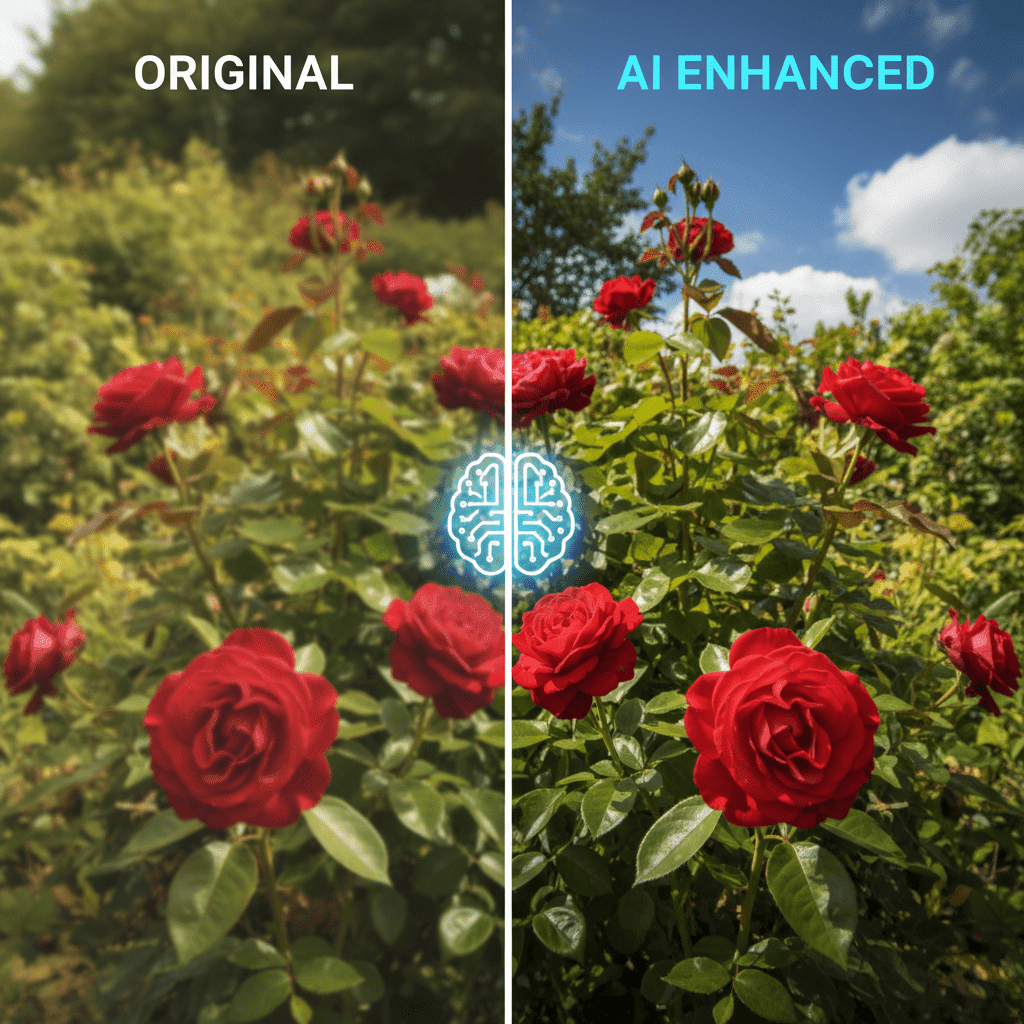
2. Automatic Scene Optimization
Samsung and Xiaomi phones, for example, often detect what you’re shooting and adjust colors. Sky looks bluer, grass looks greener, and food looks more appetizing. It’s like having a mini photo editor working in the background.
3. Smarter Portraits
AI helps separate hair strands or glasses frames from the background, something traditional cameras struggle with. The results aren’t perfect, but it’s miles ahead of early “blur everything behind the subject” attempts.
4. Real-Time Enhancements
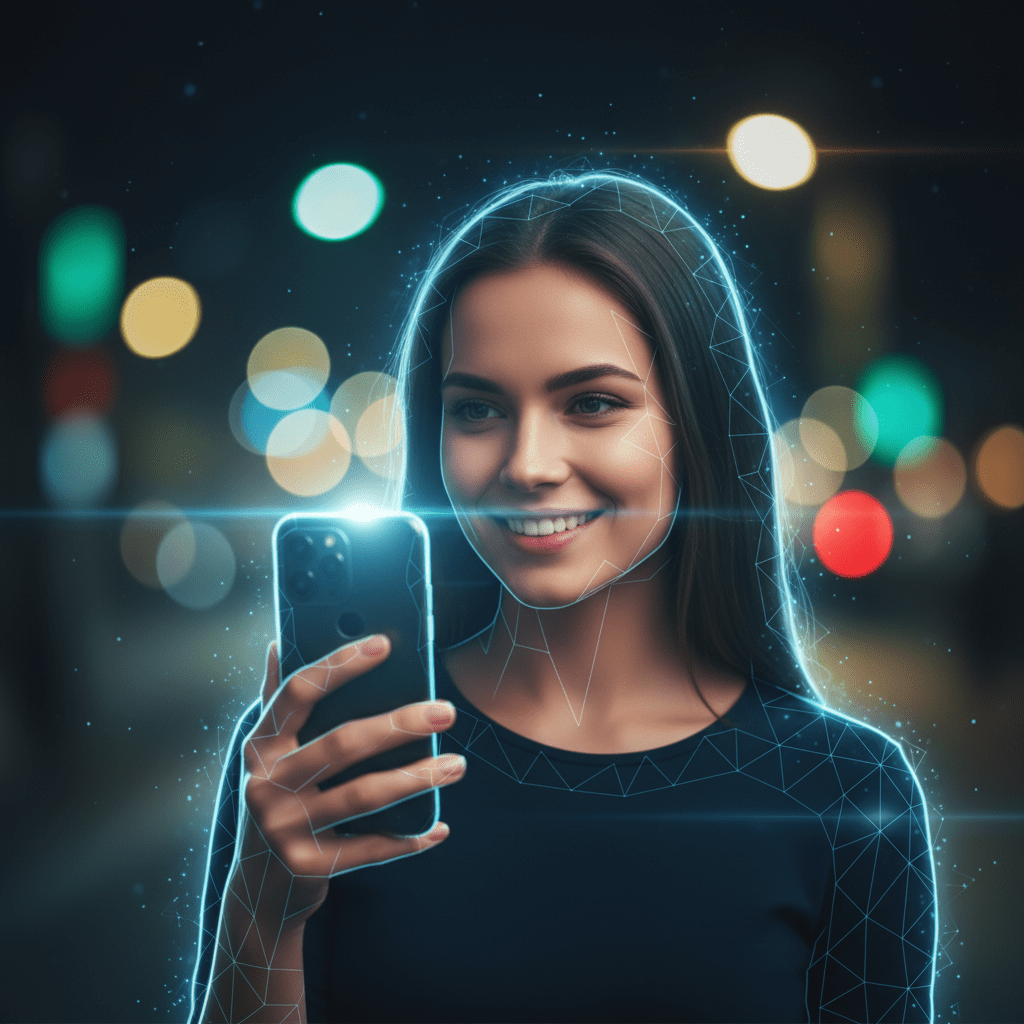
Face smoothing, skin tone adjustments, and HDR balancing all happen instantly. While some argue it makes photos look less “real,” many people love how polished their selfies turn out.
Where AI Cameras Fall Short
Overprocessing
Sometimes AI goes too far—oversaturated skies, unnatural skin tones, or food that looks cartoonish.
Similar Features Across Brands
Every brand markets its AI camera like it’s revolutionary, but in practice, most of these features are similar. The difference is often in how aggressive the processing looks.
Dependency on Software
AI can’t fix a bad sensor or poor lens. If the hardware is weak, even the smartest AI can only do so much.
So, Innovation or Gimmick?
The truth lies in the middle. AI cameras aren’t a complete gimmick—they genuinely make photography easier for average users who don’t want to mess with manual settings. But at the same time, the term “AI camera” is often overhyped.
Think of it like this: AI is an assistant, not a magician. It helps you get better photos without effort, but it’s not replacing good lenses, large sensors, or skilled photography anytime soon.
Practical Tips for Using AI Cameras
- Toggle AI on and off: Sometimes you’ll prefer natural tones over AI-boosted colors.
- Use Night Mode wisely: It works great for cityscapes and still subjects, but moving objects can blur.
- Don’t rely only on AI: Learn basic composition—good framing and lighting still matter more than software.
- Check for updates: Phone brands often improve AI features with software updates.
- Experiment: Try shooting the same scene with AI on and off, then compare which style you prefer.
FAQs About AI Cameras
1. Are AI cameras better than DSLR cameras?
Not really. DSLRs still win in terms of sensor size, lens quality, and manual control. AI cameras are designed for convenience, not professional photography.
2. Can AI make old phones take better pictures?
To an extent. Some apps use AI to enhance photos, but without good hardware, the improvements will be limited.
3. Do all smartphones have AI cameras now?
Most modern smartphones, even mid-range ones, include some AI-powered features like scene detection or portrait effects.
4. Why do my AI photos sometimes look fake?
Because AI often boosts colors and contrast to make images look more “impressive.” It can end up looking unnatural, depending on your taste.
5. Is an AI camera worth paying extra for?
If you care about quick, good-looking shots without editing, yes. But if you prefer natural photos and don’t mind manual tweaks, it may not be worth the hype.
Final Thoughts
AI cameras aren’t a gimmick, but they’re not pure innovation either. They sit somewhere in between: a helpful tool for everyday photography that’s often dressed up as a big selling point. For most people, AI makes snapping photos simpler and more enjoyable. But if you’re a photography enthusiast, you’ll know that good lighting, composition, and hardware matter far more than any AI trick.
At the end of the day, AI in cameras is less about replacing skill and more about making sure your next selfie or sunset shot looks share-worthy without you lifting a finger.
Discover more from NABSAB
Subscribe to get the latest posts sent to your email.